
STI and HIV screening
Testing and treatment for sexually transmitted infections, including HIV.
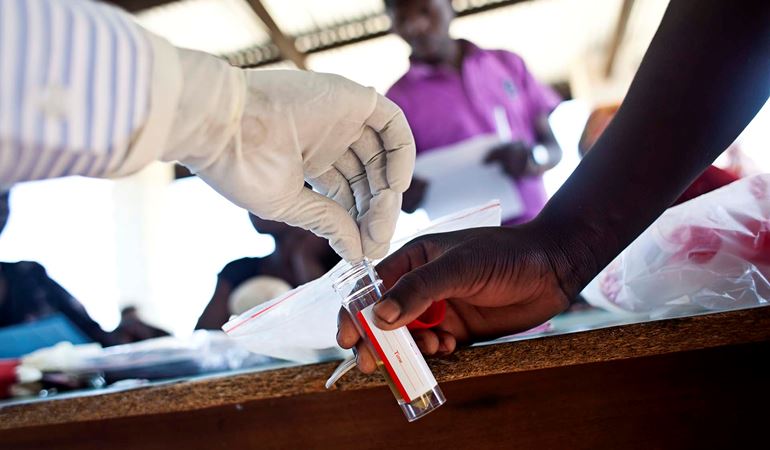


If you’ve had sex without using a condom, you could be at risk of having caught a sexually transmitted infection (STI).
Early detection can help to successfully treat STIs.
There are many different types of STIs – some have symptoms, but others don’t have any at all, so you might not always know you have one. If you think you may be at risk, visit one of our clinics and get checked out.
Book your STI test
WhatsApp us today on 0767160068 or find your nearest clinic to book your STI test.
When to get tested for an STI
If you think you might have an STI, you should get tested as early as possible.
Most STIs are treatable, especially if you detect them early. This will help you avoid many of their negative outcomes – such as infertility in both men and women – and ensure you can protect against passing the infection on to others.
If you’re at risk of having caught an STI, we can help test and treat you quickly. We can also discuss contraceptive options with you, helping you to reduce the risk of catching further STIs in the future – contact us today.

Contact us about STI and HIV screening
Call us toll-free on 0800 753 333 or email us to arrange an appointment.
Frequently asked questions about STIs
STI symptoms can differ between men and women. These are the common symptoms you may experience if you have an STI:
In women:
– Yellow or green vaginal discharge
– Discharge that smells
– Bleeding between periods or after sex
– Pain during sex
– Lower abdominal pain.
In men:
– Discharge from the penis
– Irritation of the urethra (the tube urine comes out of)
In both women and men:
– Pain when you pass urine (pee)
– Itching, burning or tingling around the genitals
– Blisters, sores, spots or lumps around the genitals or anus
– Black powder or tiny white dots in your underwear – this could be droppings or eggs from pubic lice.
Remember, some STIs have symptoms but others have no symptoms at all. These symptoms may also be because of other reproductive health issues, not just STIs.
If you’re worried, please contact us as soon as possible so we can help identify and treat the problem.
If you’ve had sex without using a condom, you could be at risk of having caught an STI. This includes vaginal, anal, and oral sex. Some STIs can also be passed on through touching genitals or sharing sex toys.
If you think you may be at risk, you should visit one of our clinics and get checked out.
Condoms (male and female) are the only contraceptive method that protects against STIs. Contact us and we’ll help you find the right method of contraception for you.
STIs can come back after treatment if you’re exposed to them again. For example, by having unprotected sex with a partner who has an untreated STI or by using a sex toy that’s contaminated.
You can avoid recurring STIs by doing the following:
Use contraception
The best way to keep STIs from coming back is to use contraception every time you have sex. Condoms (male and female) are the only contraceptive method that protect against STIs.
Get tested
Having regular STI testing will ensure that any infections are spotted early on, and that you receive the right treatment for them – whether you have symptoms or not.
Take the medication correctly
If you are prescribed medication it’s important that you take it exactly how you are told to. You need to complete the treatment even if you feel better before you’re done taking all the prescribed medication.
Ensure your partner gets treated
It’s important to tell your partner if you have an STI as they will likely need to get treated too. Once you’ve both been treated, you have to wait until the treatment has had time to work before you start having sex again – this will help you avoid passing the STI back and forth to each other.
STIs are much easier to treat when spotted early on, so whether you have symptoms or not, visit one of our clinics or call us on 0800 753 333 so you can get checked out and receive treatment.
Related services





Don’t ignore STI symptoms that are worrying you.
Contact us on our toll-free number
0800753 333